What Is Trading?
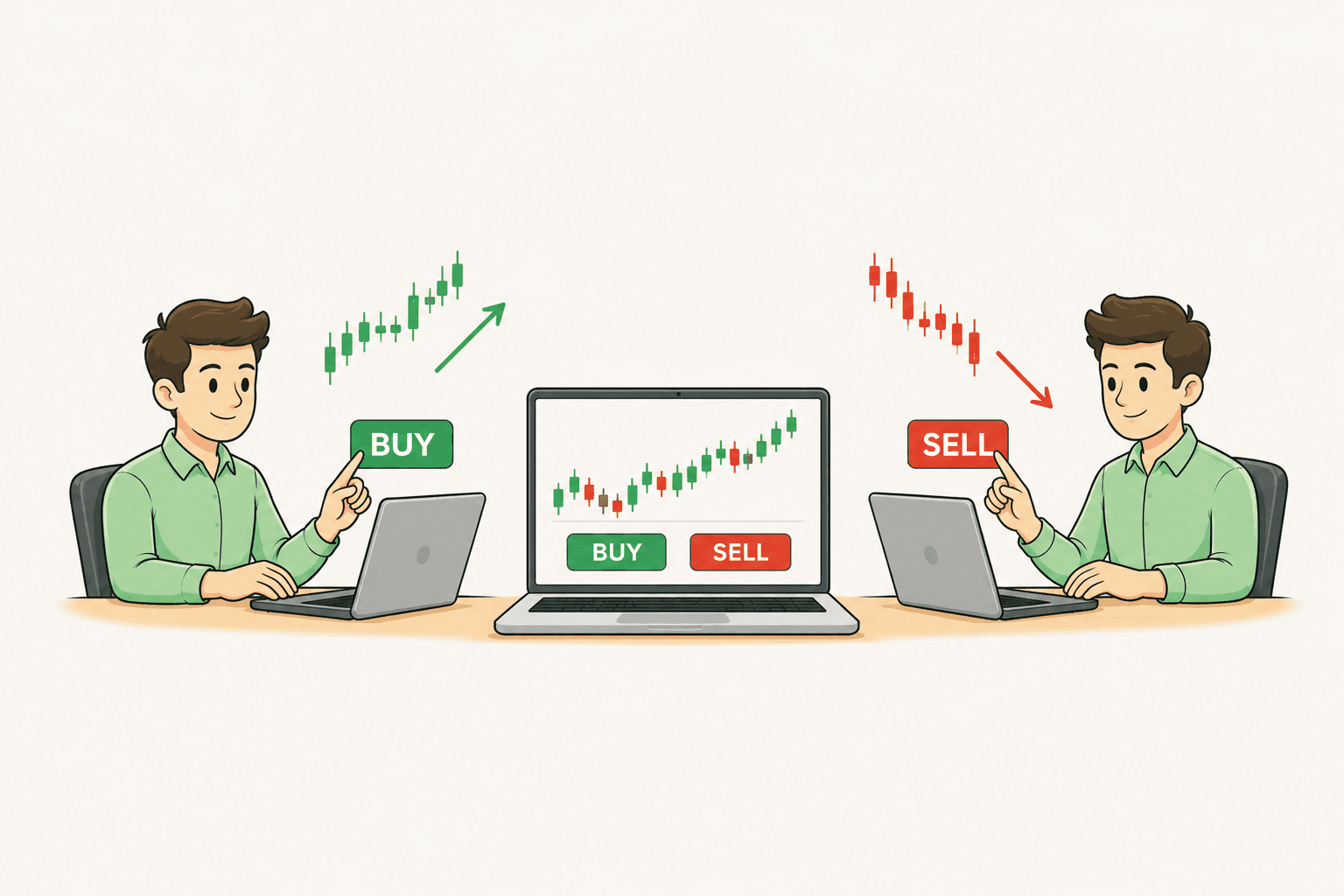
Trading is the process of buying and selling financial assets with the goal of making a profit from price movements. When traders believe an asset will increase in value, they buy it. When they believe it may decrease in value, they either sell it or look for opportunities to profit from the decline.
Every day, millions of traders around the world participate in financial markets. These traders include individuals, banks, investment firms, hedge funds, governments and large corporations.
As a trader, your job is not to predict the future perfectly. Your job is to analyse the market, identify high-probability opportunities and manage risk professionally.
Why Do Prices Move?
Now we starting to dive in,Financial markets move because buyers and sellers constantly disagree on value. When more buyers enter the market than sellers, prices tend to rise. When more sellers enter than buyers, prices tend to fall.
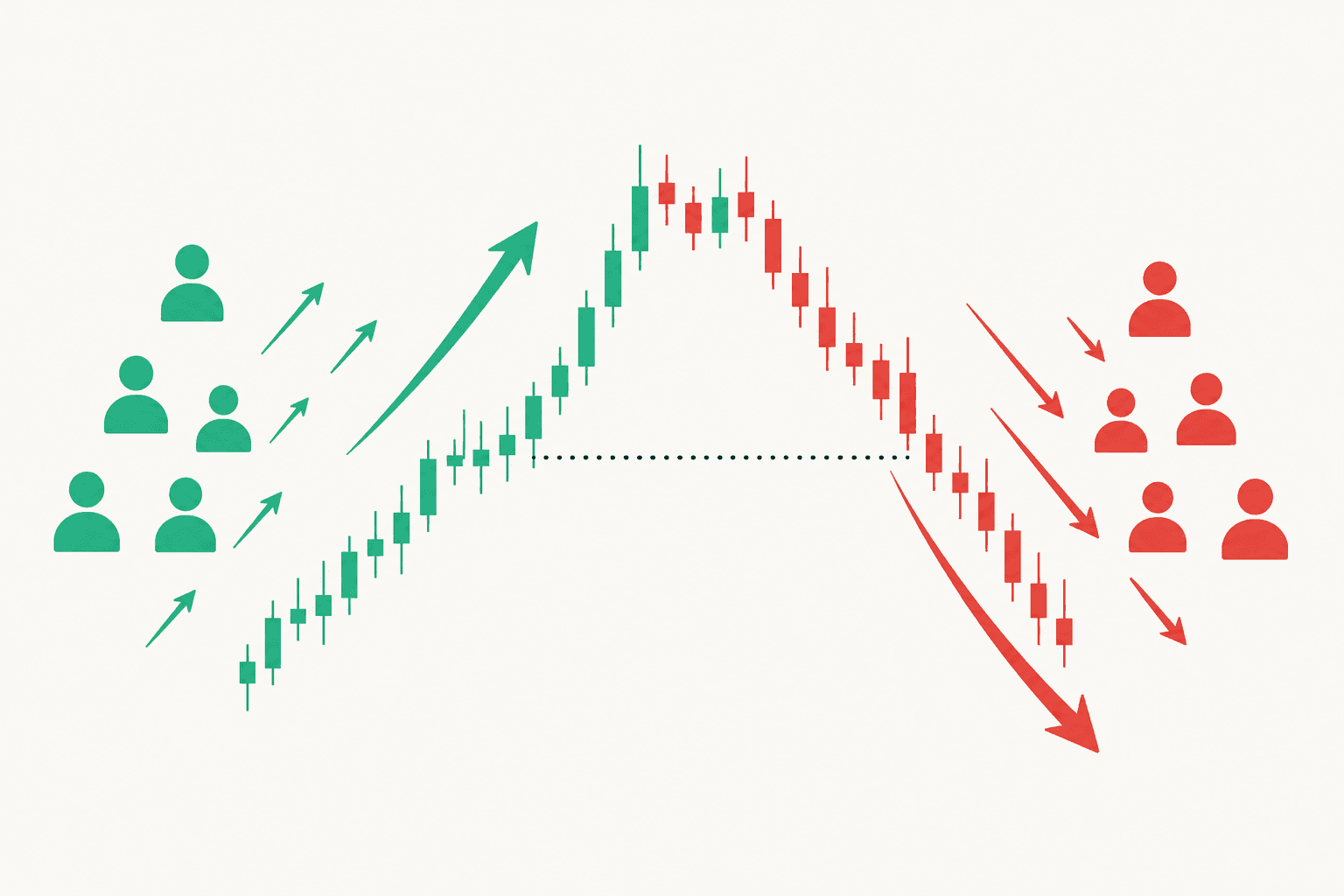
News events, economic reports, interest rates, company earnings and global events can all influence market prices and move them in one way or another.
Think of it like this, what we trade in the forex markets comes with the impact from whats going on in the outside world, so if the dollar is gaining value or Rwandan francs or any other currency out there, that wil simply mean in our charts we will see it buying or rising because our charts are not computer driven ,they just print whats going on out there in a graphic form ,thats how we see markets can rise or fall upon economic factors on another side
Trading Is Not Gambling
One of the biggest misconceptions among new traders is believing that trading is gambling. Professional trading is actually a skill-based activity that relies on analysis, probability, discipline and risk management, does nt mean that people don't gamble trading out of feeling like they know everything all to find they are victims of the markets with losses always.
Successful traders follow trading plans, use proven strategies and carefully manage the amount of money they risk on every trade , they don't just take the trade,they have a set of rules they follow, a set of considerations they put in place before taking any trade ,now that you here, stick with us we will protect you from these bad and poor mindsets , after all you will be successful like other traders who graduated in SUGIRAForex Academy.
What Can You Trade?
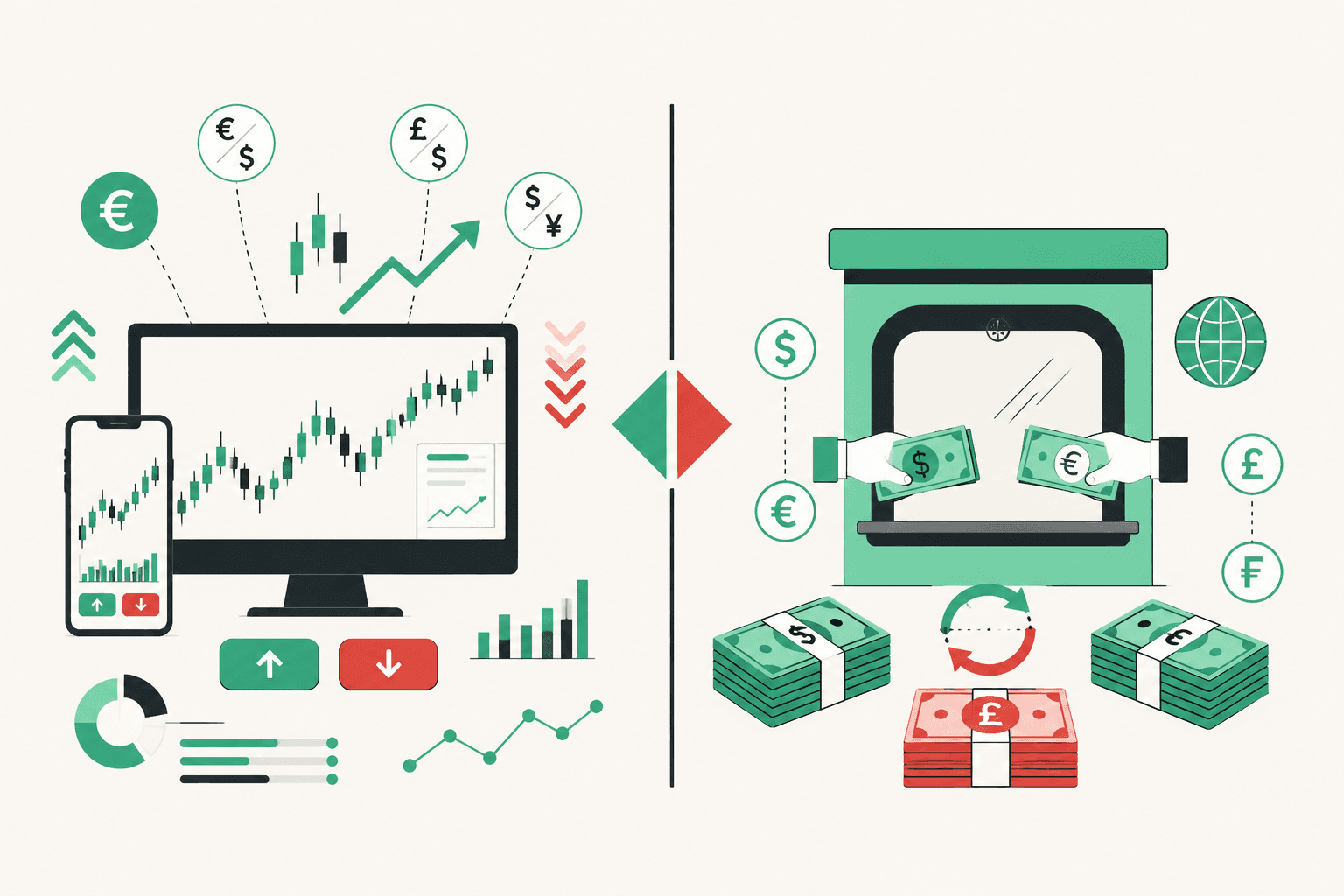
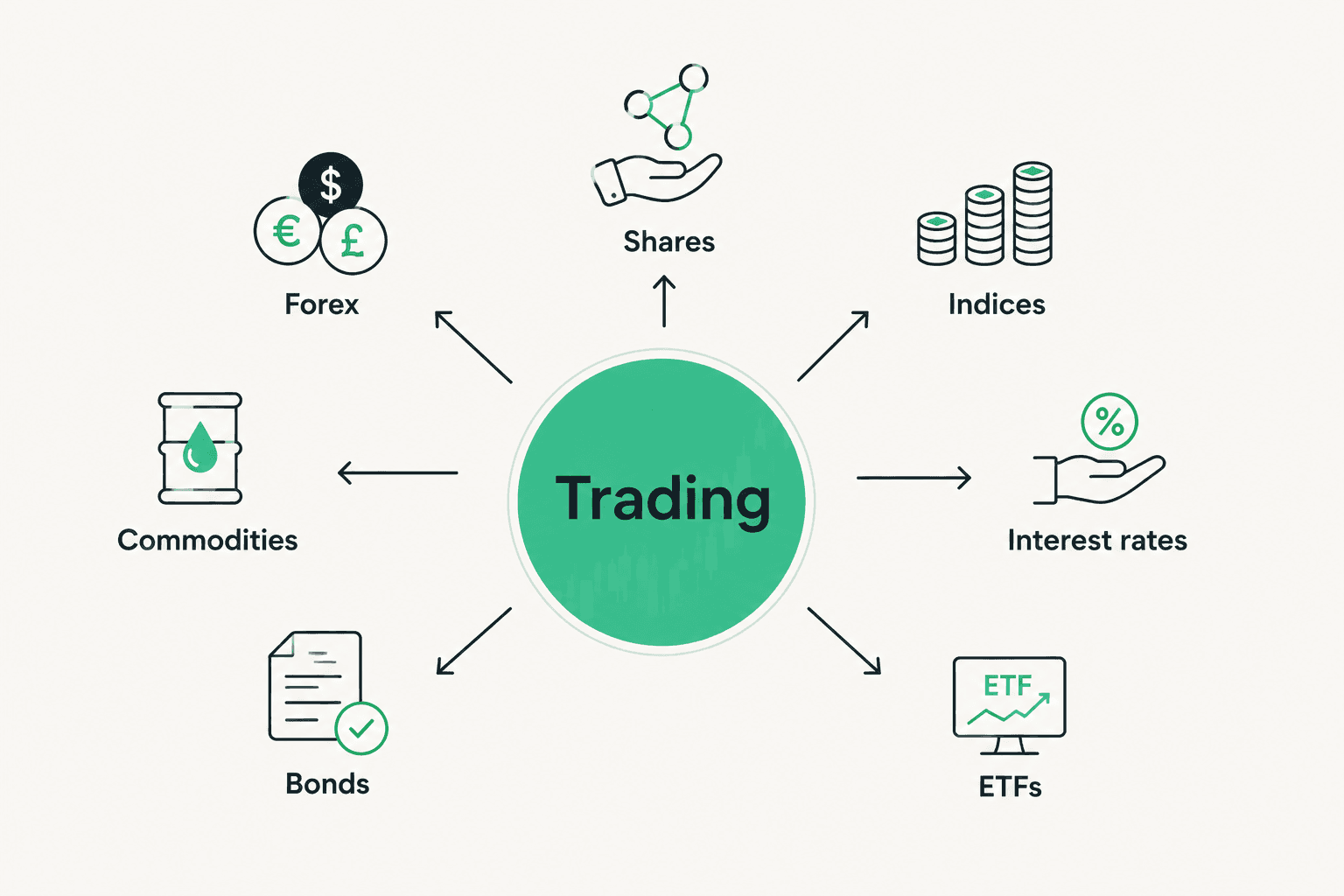
You will ask yourself if trading works like these Forex burreau where you go with your local currency with expecting exchange to a foreign curency ? the answer is surprising , just NO!! Modern financial markets offer many opportunities beyond currencies. Traders can participate in Forex, Gold, Oil, Stock Indices, Individual Stocks, ETFs and other financial instruments and many more available not just limited too currencies like forex burreau.
Each market behaves differently and requires a proper understanding before risking real money.
What Skills Does A Trader Need?
Now its time for you to understand how to approach the markets like a skilled individual,there are set of skills you need to have so you can be able to benefit and make money from trading ,and guess what ? its not hard its all about understanding, we have more of :
- Market analysis
- Risk management
- Patience and discipline
- Trade management
- Emotional control
- Consistent execution
Many beginners focus only on finding entries. Professional traders know that risk management and psychology are often more important than the actual trading strategy,don't worry you already here we will learn all these in details and in a clear language easy to understand.
Why Most Beginners Lose Money
Most new traders lose money because they jump straight into live trading without first learning how markets operate. They often risk too much, follow random signals and trade without a structured plan.
Learning the foundations first can significantly reduce mistakes you make as a beginner and accelerate the path toward profitability in a short period of time without learning the hard way. in short,all you dont need to spend time in learning ,all you need is development. Get the right skills first then spend time in development.
Beginner Tip
Before placing your first trade, focus on understanding how markets move, how risk management works and how professional traders analyse opportunities. Building a strong foundation is far more important than rushing to make money,it will save you in the long run.
You dont need to go far,
SUGIRAForex Academy have got full trading courses for beginners in both Kinyarwanda language and English Full live sessions to help you understand deep and start making money as you learn.
Check the courses↗What Assets And Markets Can You Trade?
When people hear the word trading, they often think only about Forex. However, modern financial markets offer many different assets that traders can buy and sell to profit from price movements.
An asset is anything that has value and can be traded in a financial market. Different assets move for different reasons, giving traders multiple opportunities to find setups that match their trading style and risk tolerance.
At SUGIRAForex Academy, we teach traders in Rwanda how different markets work so they can understand where opportunities exist and choose the markets that suit them best without strugling to manage their job together with trading,thats where we come in to support your proper decisioons in trading.
Forex (Foreign Exchange Market)
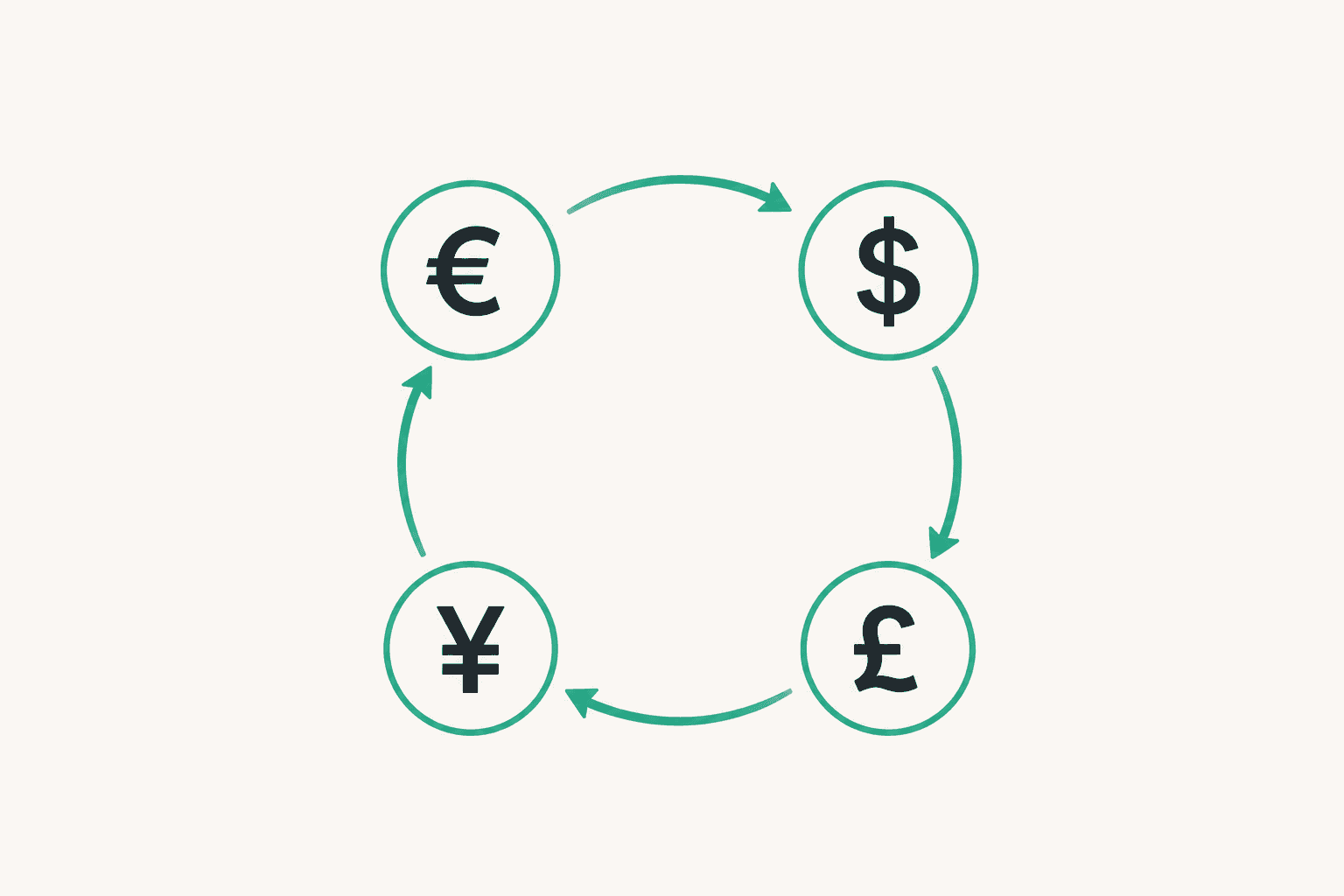
Forex is the world's largest financial market and involves the buying and selling of different currencies for exchange of another currency.
Most traders prefer forex trading because its easy to navigate, beginner friendly apps,100% skills based you can start today and over few weeks you are already seing results,not much but yes you can see progress as long as you started with the right skills.
- EUR/USD
- GBP/USD
- USD/JPY
- AUD/USD
Forex is popular among traders in Rwanda because it is highly liquid, accessible and offers opportunities throughout the trading week.
Indices
What Are Indices?
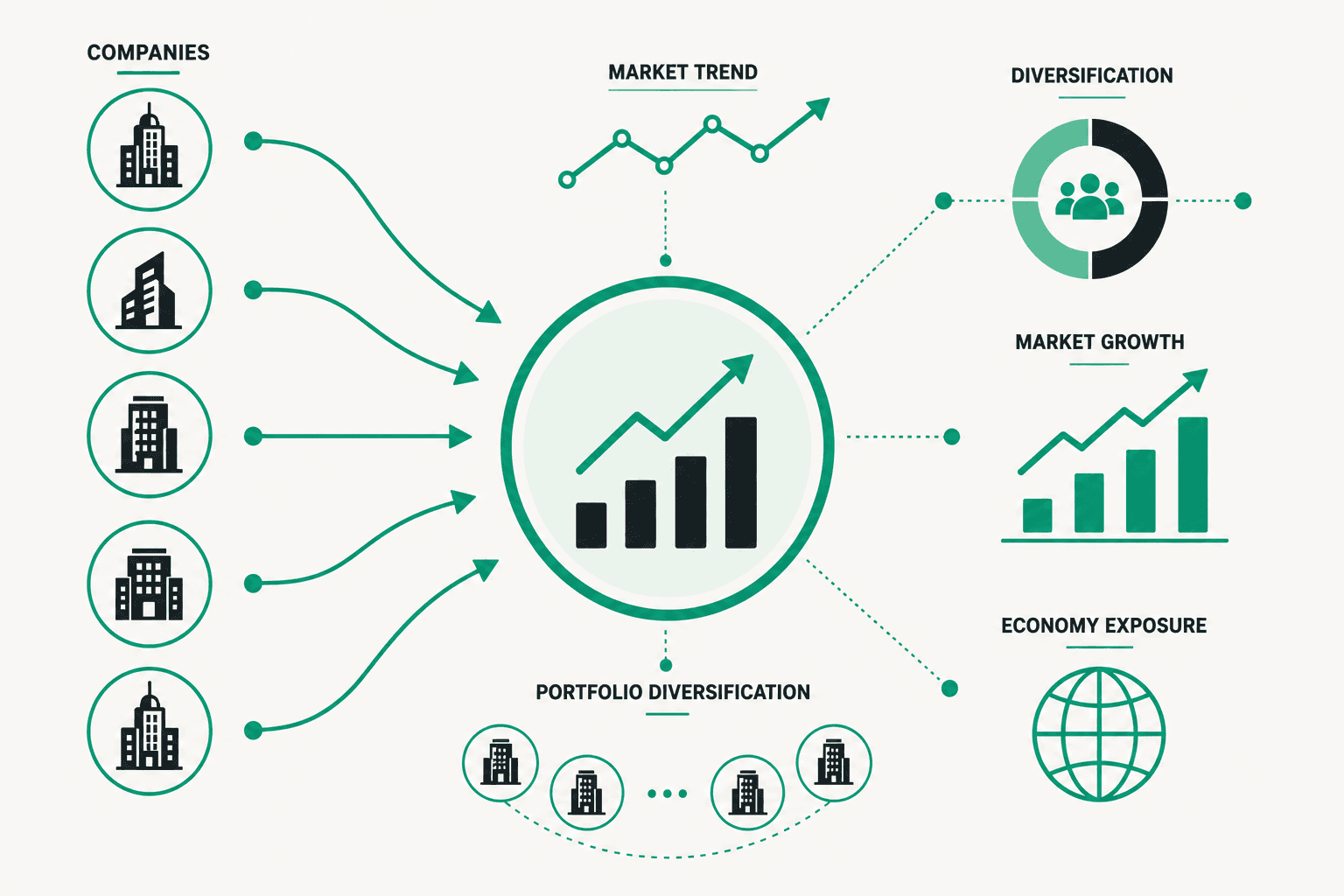
An index is a group of major companies combined into a single market. Instead of trading one company at a time, traders can trade the performance of an entire economy or sector through an index.
Think of an index as a basket containing many companies. When those companies perform well overall, the index tends to rise. When they perform poorly, the index tends to fall.
Popular Indices
US30 (Dow Jones) → Tracks 30 major companies in the United States.
S&P 500 → Tracks 500 of the largest companies in the United States.
NASDAQ 100 → Tracks major technology companies such as Apple, Microsoft and Nvidia.
FTSE 100 → Tracks the biggest companies in the United Kingdom.
DAX 40 → Tracks leading companies in Germany.
Why Do Traders Like Indices?
✓ They are less affected by problems in a single company.
✓ They often follow clear market trends.
✓ They are highly liquid and actively traded.
✓ They provide exposure to an entire economy.
Simple Example
Imagine Apple performs poorly today.
If you only own Apple stock, your investment may suffer significantly.
However, if you trade the S&P 500, Apple is only one company among hundreds. Even if Apple falls, other companies may perform well and help keep the overall index stable.
For Rwandan Beginners
Think of an index as a football team like rayon,Apr or others rather than a single player like me or you.
Trading one stock is like betting on a single player to score.
Trading an index is like backing the entire team. Even if one player has a bad day, the team can still perform well.
This is one reason why many beginner traders prefer indices. They provide exposure to a larger market and can be easier to understand than individual company stocks.
Bonds
What Are Bonds?
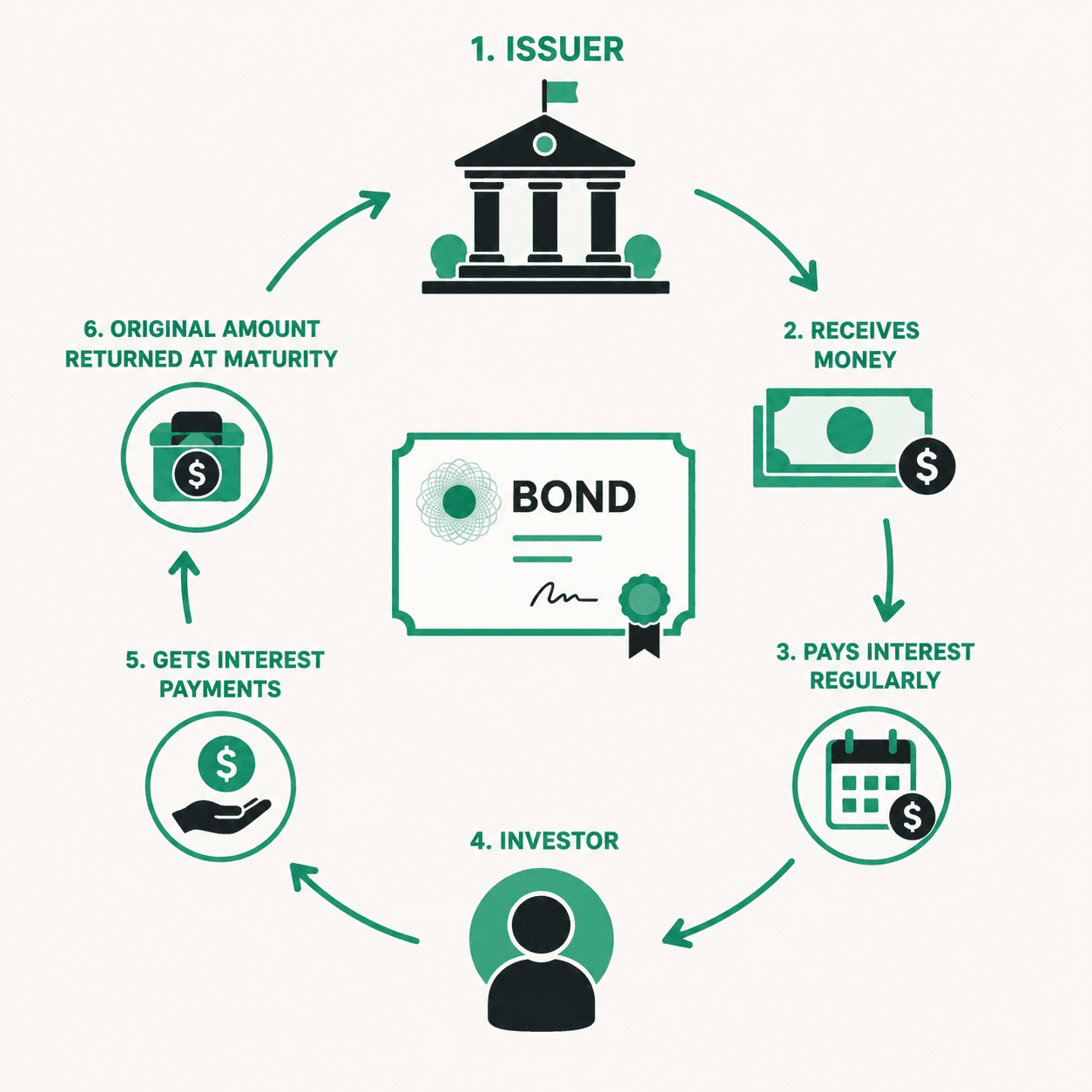
A bond is essentially a loan. Instead of borrowing money from a bank, governments and large companies can borrow money directly from investors.
When you buy a bond, you are lending your money to a government or company for a specific period of time. In return, they promise to pay you interest and eventually return your original money when the bond matures.
Bonds are often considered one of the more stable financial instruments because they generally involve less risk than stocks and other speculative investments.
Simple Example
Imagine a company needs money to build a new factory.
Instead of taking a large bank loan, the company offers bonds to investors. You decide to buy one of those bonds.
The company might promise to pay you 8% interest every year for five years. During that period, you receive regular interest payments, and at the end of the five years your original investment is returned.
Why Do Investors Buy Bonds?
✓ They can provide steady income through interest payments.
✓ They are generally less volatile than stocks.
✓ They help diversify an investment portfolio.
✓ They are often viewed as a safer long-term investment.
For Rwandan Beginners
Think of a bond like lending money to a trusted friend who promises to pay you a small amount every month and then return the full amount later.
The difference is that with bonds, the borrower is usually a government or large company rather than an individual.
This is why many investors use bonds to preserve wealth and generate predictable returns while taking less risk than stock market investing.
Interest Rates
What Are Interest Rates?
Interest rates are one of the most important factors that move financial markets. They represent the cost of borrowing money and are set by a country's central bank.
When interest rates change, they affect consumers, businesses, banks, investors and traders. Because of this, financial markets pay very close attention whenever a central bank announces a new interest rate decision.
Simple Example
Imagine you want to borrow money from a bank of Kigali to buy a car.
If the bank charges a low interest rate, borrowing becomes cheaper and more people are willing to take loans.
However, if the bank raises interest rates, borrowing becomes more expensive and fewer people want to borrow money.
The same principle applies to entire economies. Higher interest rates generally slow spending, while lower interest rates encourage spending and investment.
Why Do Traders Care About Interest Rates?
Interest rate decisions often create some of the biggest movements in the Forex market.
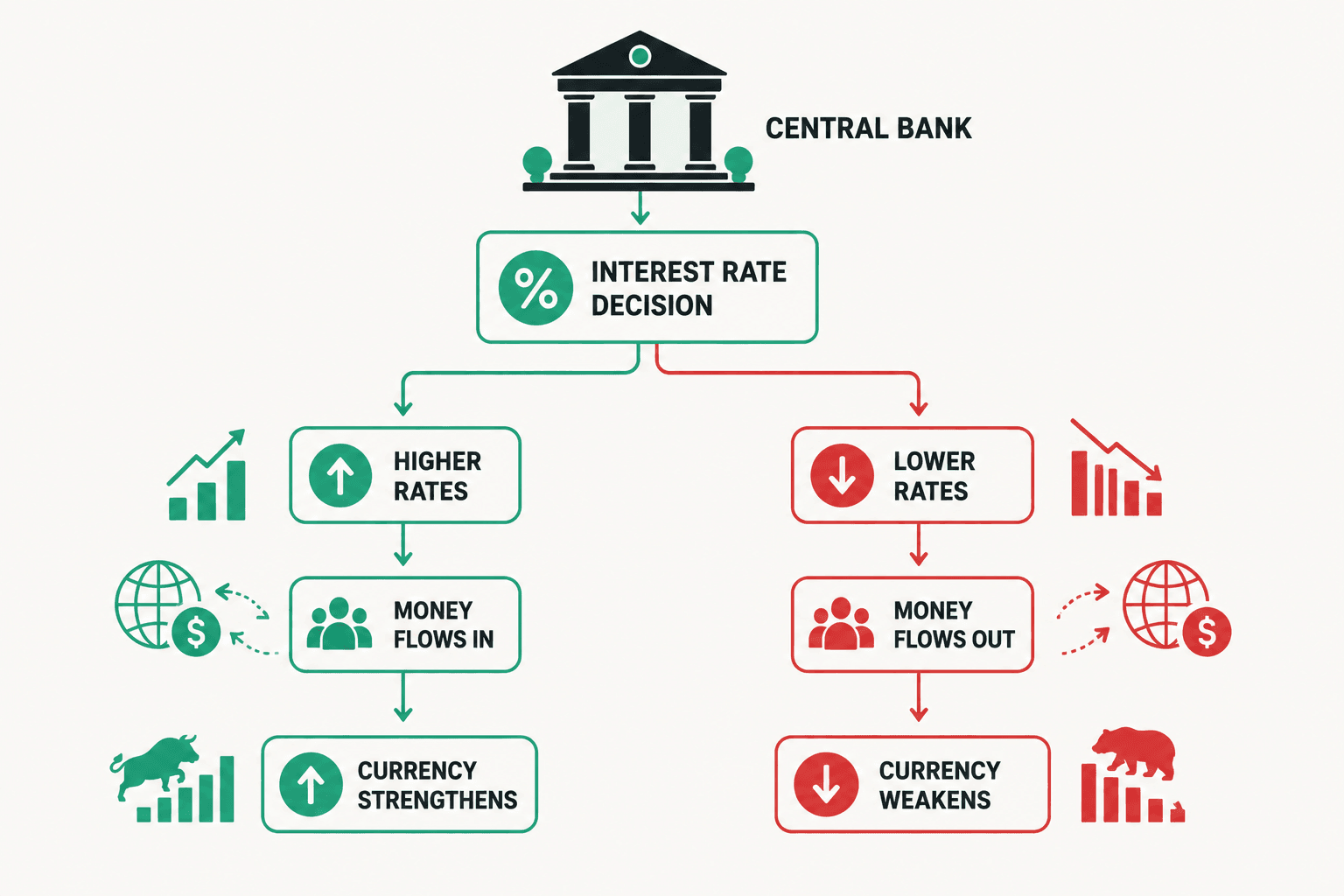
When a country's central bank raises interest rates, investors may move money into that country's currency because it can offer better returns. Increased demand for the currency can cause its value to rise.
On the other hand, if interest rates are reduced, investors may move their money elsewhere, causing the currency to weaken.
✓ Higher interest rates can strengthen a currency.
✓ Lower interest rates can weaken a currency.
✓ Interest rate announcements often create volatility.
✓ Forex traders closely monitor central bank decisions.
For Rwandan Beginners
Think of interest rates as a magnet for money.
When a country like Rwanda offers higher interest rates, investors around the world may become more interested in holding that Rwandan francs there fore itss value will rise.
More demand for the currency can push its value higher. Less demand can push it lower.
This is why professional Forex traders pay close attention to decisions made by central banks such as the US Federal Reserve, the European Central Bank and the Bank of England.
Understanding interest rates helps traders understand why currencies move and why major news events can create powerful trading opportunities.
IPOs
What Is An IPO?
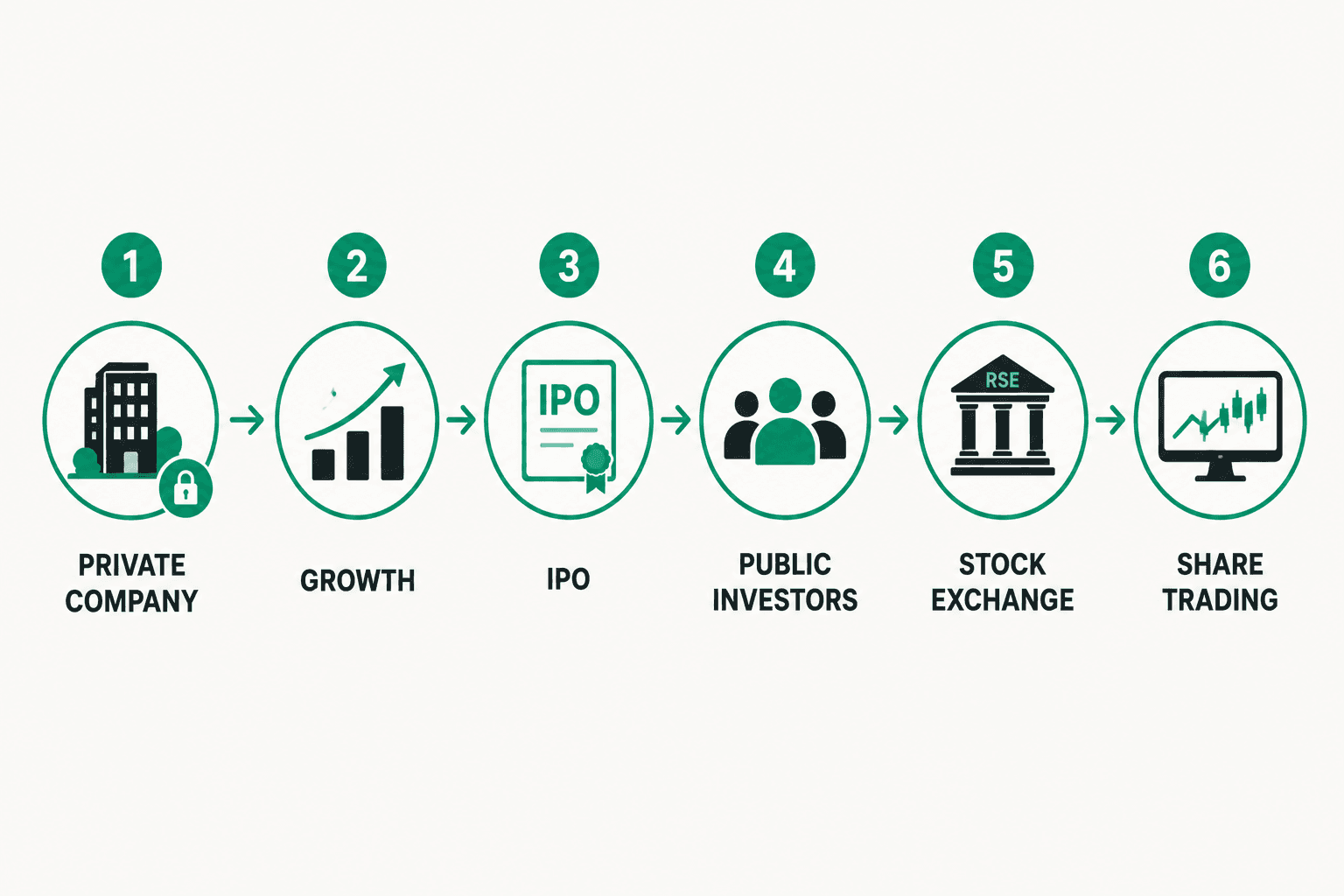
IPO stands for Initial Public Offering. It is the process through which a private company offers its shares to the public for the very first time.
Before an IPO, a company is usually owned by its founders, investors and a small group of shareholders. After an IPO, ordinary people can buy shares and become part owners of the company.
In simple terms, an IPO is when a company decides to open its doors to public investors and raise money from the market.
Why Do Companies Launch IPOs?
Growing companies often need additional capital to expand their operations, build new products, hire more employees or enter new markets.
Instead of borrowing money from a bank, the company can sell a portion of ownership to the public through an IPO.
✓ Raise money for expansion.
✓ Increase company visibility.
✓ Attract new investors.
✓ Support long-term business growth.
Simple Example
Imagine a successful Rwandan technology company that started with only a few founders.
Over time, the company grows and wants to expand across East Africa. To raise the money needed for expansion, the company decides to offer shares to the public.
Investors can then buy those shares and become partial owners of the business.
This first public sale of shares is called an IPO.
What Happens After An IPO?
Once the IPO is completed, the company's shares begin trading on a stock exchange where investors can buy and sell them.
Share prices may rise if investors believe the company has strong growth potential. They may also fall if investors become less confident about the company's future.
This is why IPOs often attract a lot of attention from traders and investors around the world.
IPOs And Rwanda
Rwanda has its own stock market known as the Rwanda Stock Exchange (RSE), where shares of listed companies can be bought and sold.
Although IPO activity in Rwanda is still smaller than in countries such as the United States or the United Kingdom, the Rwandan capital market continues to grow as more businesses seek funding and more citizens learn about investing.
Understanding IPOs helps Rwandan investors recognize opportunities when new companies decide to enter public markets in the future.
For Rwandan Beginners
Think of an IPO as a business inviting the public to become partners.
Before the IPO, only a few people own the company.
After the IPO, thousands of investors can buy shares and participate in the company's growth.
Learning how IPOs work helps you understand where many publicly traded companies begin their journey in financial markets.
Which Market Is Best For Beginners?
- ✓ Easy to access
- ✓ Plenty of educational resources
- ✓ Daily trading opportunities
- ✓ Excellent for building trading skills
You want to learn more about these markets properly?
SUGIRAForex Academy have got a full structured course plan in both Kinyarwanda and English to let you learn more about how to analyse Forex, Gold, Indices and other financial markets we just red above and make money from them all.
Check the courses now↗3. Trading vs Investing
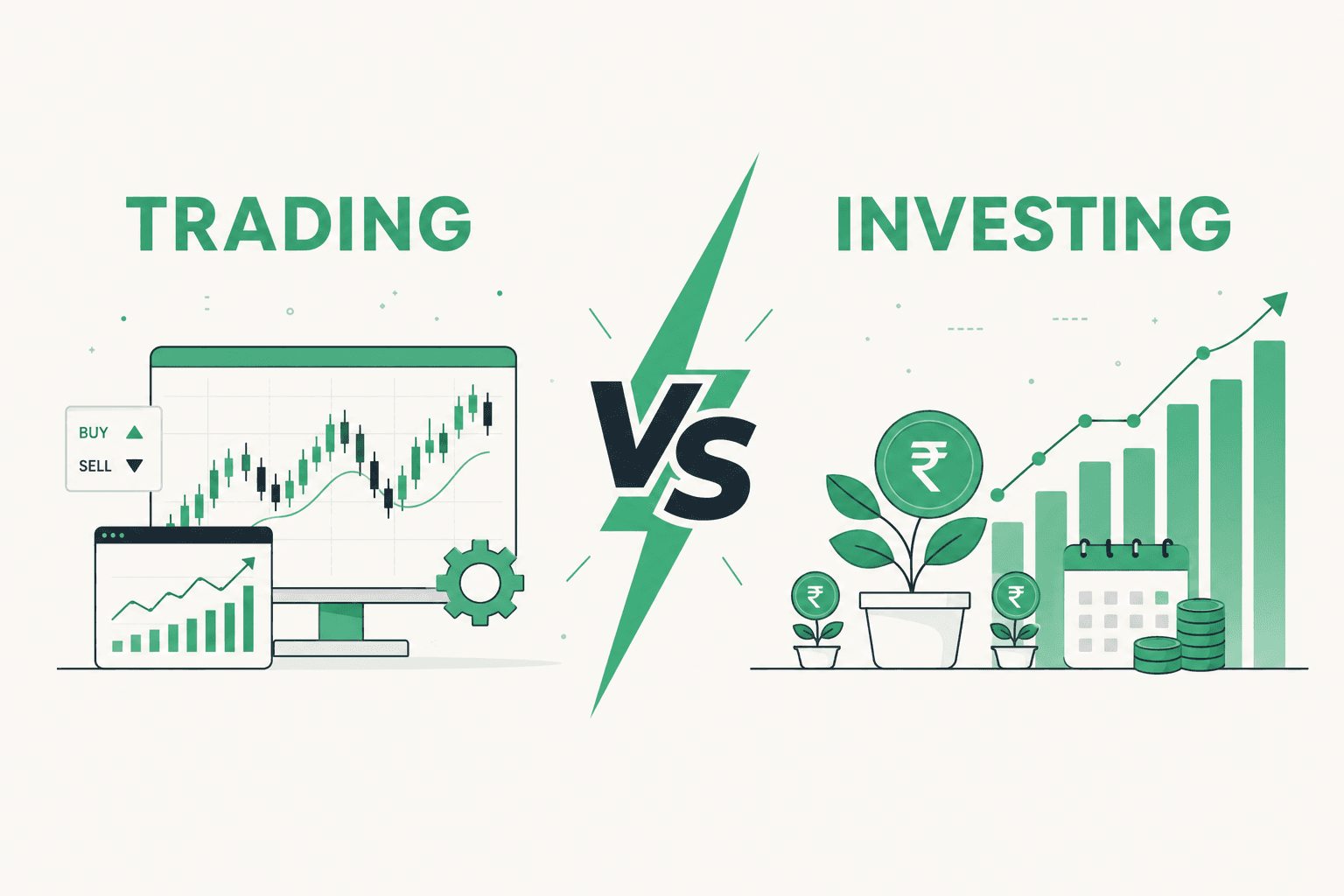
Many beginners hear the words trading and investingand assume they mean the same thing. While both involve financial markets, they have very different goals, timeframes and strategies.
Investing is usually focused on long-term growth. An investor may buy shares, exchange traded funds (ETFs), or other assets and hold them for several years. Their objective is to benefit from the overall growth of the market over time.
Trading, on the other hand, focuses on taking advantage of price movements that happen over shorter periods. A trader studies the market, identifies opportunities and attempts to profit from changes in price that can occur within days, hours or even minutes.
The Main Difference
Investors are usually patient. They expect their investments to grow gradually over many years. Traders are more active. They analyse charts, monitor market news and make decisions based on current opportunities.
For example, an investor might buy shares of a company and hold them for five years. A trader might buy and sell the same asset within a single day if market conditions provide an opportunity.
Trading vs Investing At A Glance
Trading
- ✓ Short-term opportunities
- ✓ Active market participation
- ✓ Requires chart analysis
- ✓ Faster feedback and results
- ✓ Popular in Forex markets
Investing
- ✓ Long-term wealth building
- ✓ Less active management
- ✓ Focus on company fundamentals
- ✓ Growth over many years
- ✓ Common in stock portfolios
Which One Is Better For Beginners?
Neither approach is automatically better than the other. The right choice depends on your goals, available capital and how much time you can dedicate to learning financial markets.
However, many young people in Rwanda are attracted to Forex trading because it offers flexibility, lower starting capital requirements and the ability to participate in global markets from anywhere with an internet connection.
The most important thing is not choosing trading or investing. The most important thing is learning how markets work before risking real money. A solid foundation in market structure, risk management and trading psychology will help you avoid mistakes that cost many beginners their first trading accounts.
Want to become a skilled trader instead of guessing?
Understanding the difference between trading and investing is only the beginning. Learn how professional traders analyse markets, manage risk and identify high-probability opportunities through our structured beginner courses.
Explore beginner courses↗4. Who Trades And Who Invests?
One of the biggest misconceptions about financial markets is that trading and investing are only for wealthy people, banks or large institutions. In reality, millions of ordinary individuals participate in financial markets every single day.
Thanks to modern technology, anyone with an internet connection and the willingness to learn can access global financial markets. Whether you are a student, entrepreneur, employee or business owner, the opportunities available today are greater than ever before.
Retail Traders
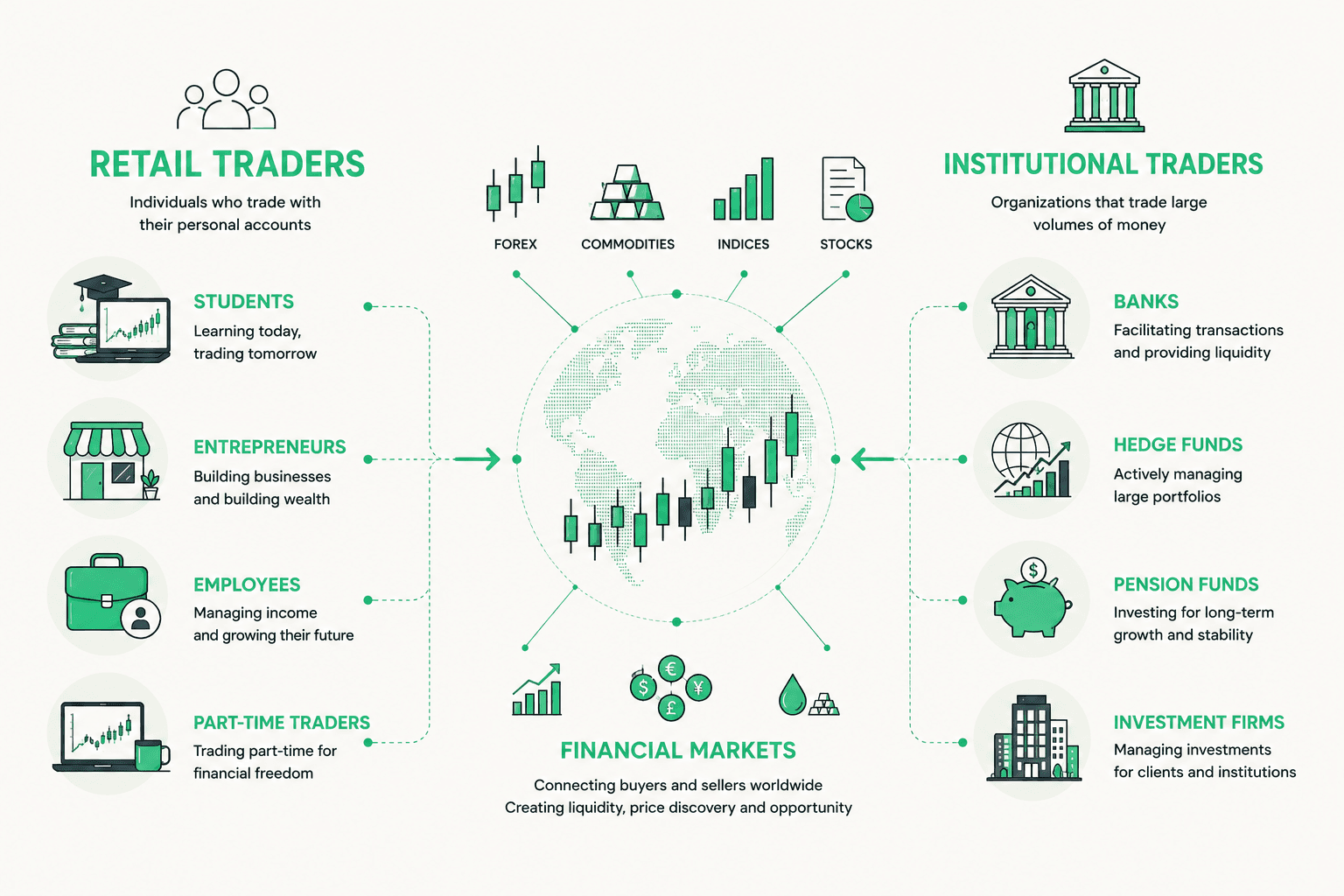
Retail traders are individual people who buy and sell financial assets using their personal accounts. This group includes students, employees, freelancers, entrepreneurs and anyone interested in participating in financial markets.
Most beginners start as retail traders. They learn how markets move, develop trading skills and gradually improve their understanding of risk management and market psychology.
Examples Of Retail Traders
- ✓ University students
- ✓ Small business owners
- ✓ Full-time employees
- ✓ Freelancers and remote workers
- ✓ Part-time traders building extra income
Institutional Traders
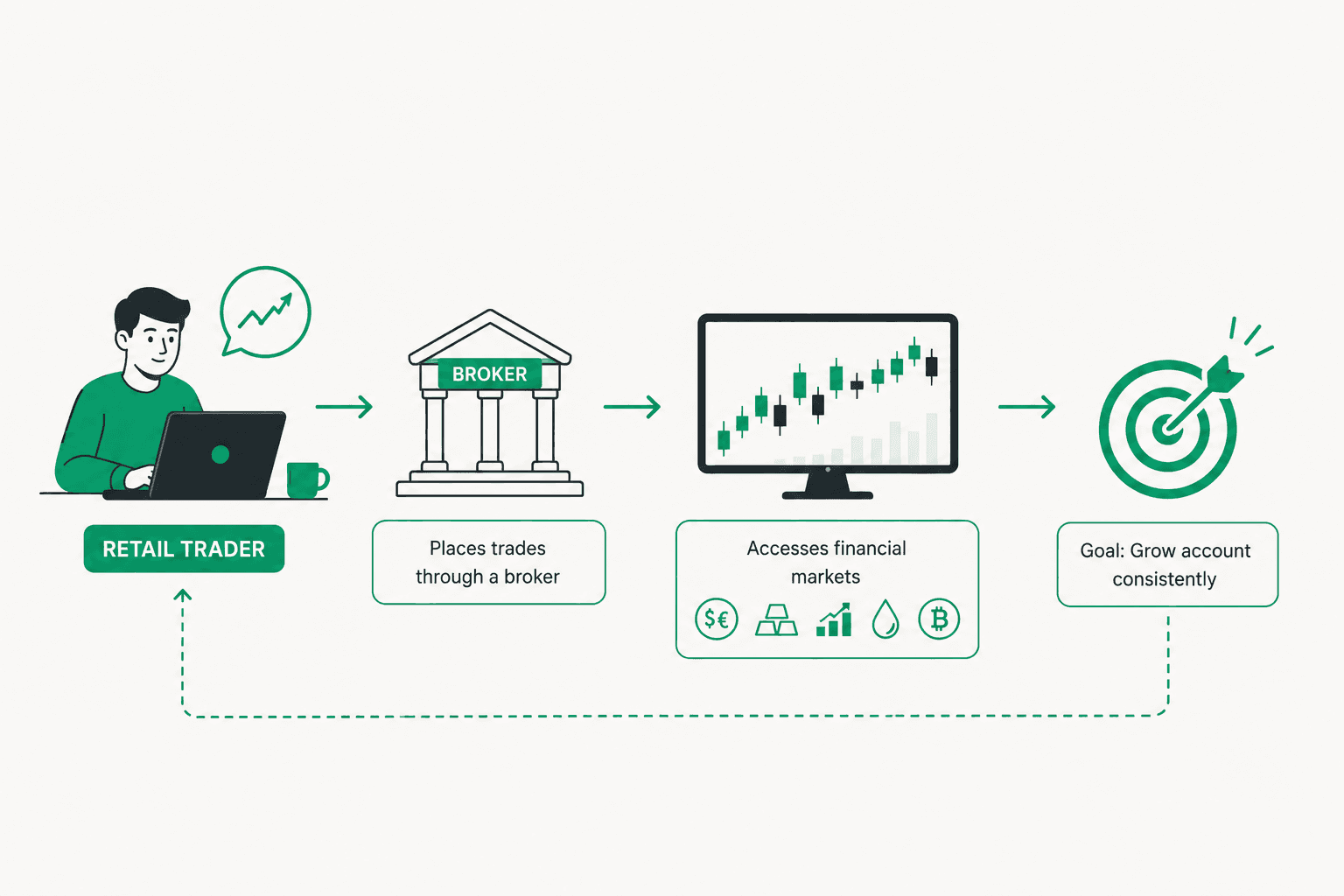
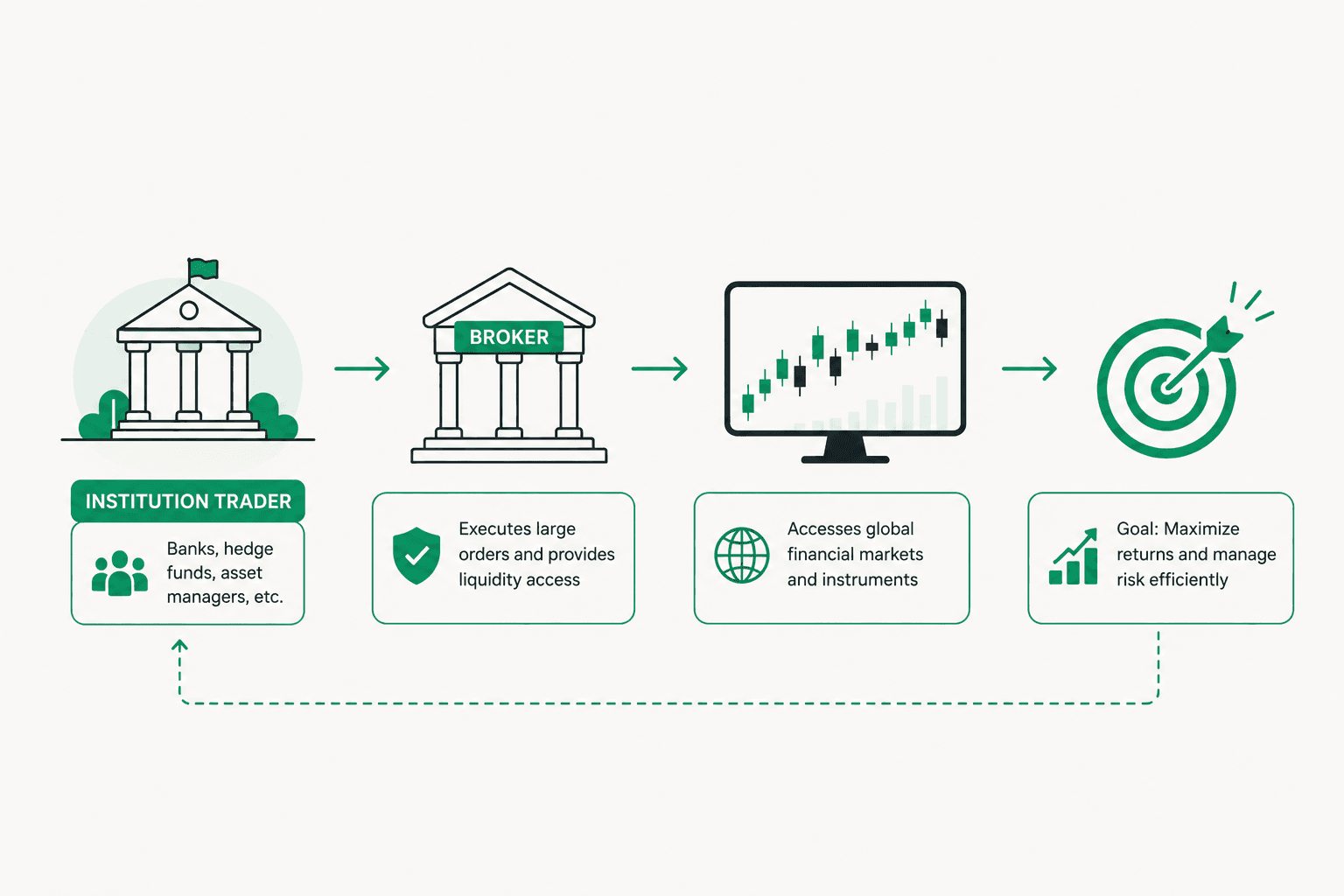
Institutional traders are organizations that manage large amounts of money on behalf of clients, shareholders or governments. These include banks, hedge funds, pension funds, insurance companies and investment firms.
Because institutions control significant capital, they often have a major influence on market movements. Large buying or selling activity from these participants can create trends, volatility and opportunities that retail traders attempt to identify and follow.
Examples Of Institutions
- ✓ Commercial Banks
- ✓ Central Banks
- ✓ Hedge Funds
- ✓ Pension Funds
- ✓ Investment Management Firms
Why Understanding Both Matters
Successful traders do not simply look at charts. They also try to understand who is moving the market. Learning how institutions operate can help retail traders make better decisions and avoid trading against major market flows.
This is one of the reasons why professional traders study liquidity, market structure and institutional behaviour. Understanding how larger participants interact with the market can provide valuable insight into potential trading opportunities.
Can Someone In Rwanda Become A Trader?
Absolutely. Thousands of traders across Africa participate in global financial markets every day. The key requirement is not a large amount of money—it is education, discipline and proper risk management.
Before focusing on profits, beginners should focus on learning. Building a strong understanding of market fundamentals will give you a much higher chance of long-term success than simply copying signals without knowing why trades are being taken.
Learn to be a professional trader
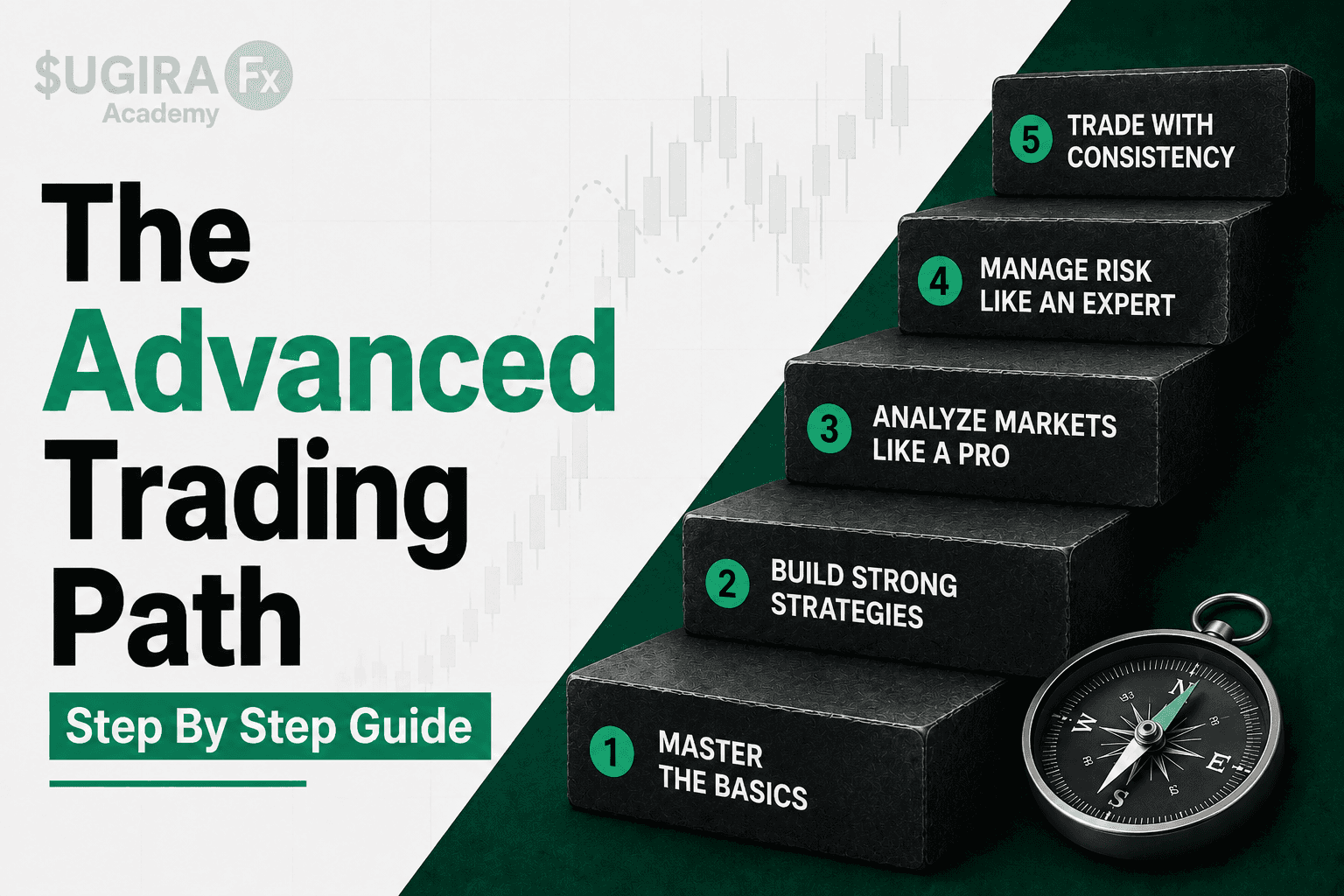
SUGIRAForex Academy offers students to learn how both retail traders and institutions operate in the market before progressing to advanced concepts such as liquidity, market structure and trade execution.
Explore Beginner Courses↗How does trading Work?
Trading is simply the process of buying and selling an asset with the goal of making a profit from price movement. Every day, millions of traders around the world analyze markets and decide whether prices are likely to go up or down.
Think of it this way. If you believe the value of an asset will increase, you buy it. If the price rises and you sell later at a higher price, you make a profit. If the price falls instead, you make a loss.
In Forex trading, you are not buying physical products. Instead, you are trading currencies against each other. For example, when trading EUR/USD, you are comparing the value of the Euro against the US Dollar.
Market prices move because buyers and sellers constantly interact. When more people want to buy an asset than sell it, demand increases and prices tend to rise. When more traders are selling, prices tend to fall. This simple relationship between supply and demand is what drives all financial markets.
Modern traders use trading platforms such as MetaTrader 5 (MT5) or TradingView to analyze charts, identify opportunities and execute trades. These platforms provide real-time price data that allows traders to monitor the market and make informed decisions.
For example, a trader in Kigali may notice that the US Dollar is gaining strength against other currencies. After analyzing the charts and economic news, the trader decides to buy USD-related currency pairs. If the market moves in the expected direction, the trader earns a profit.
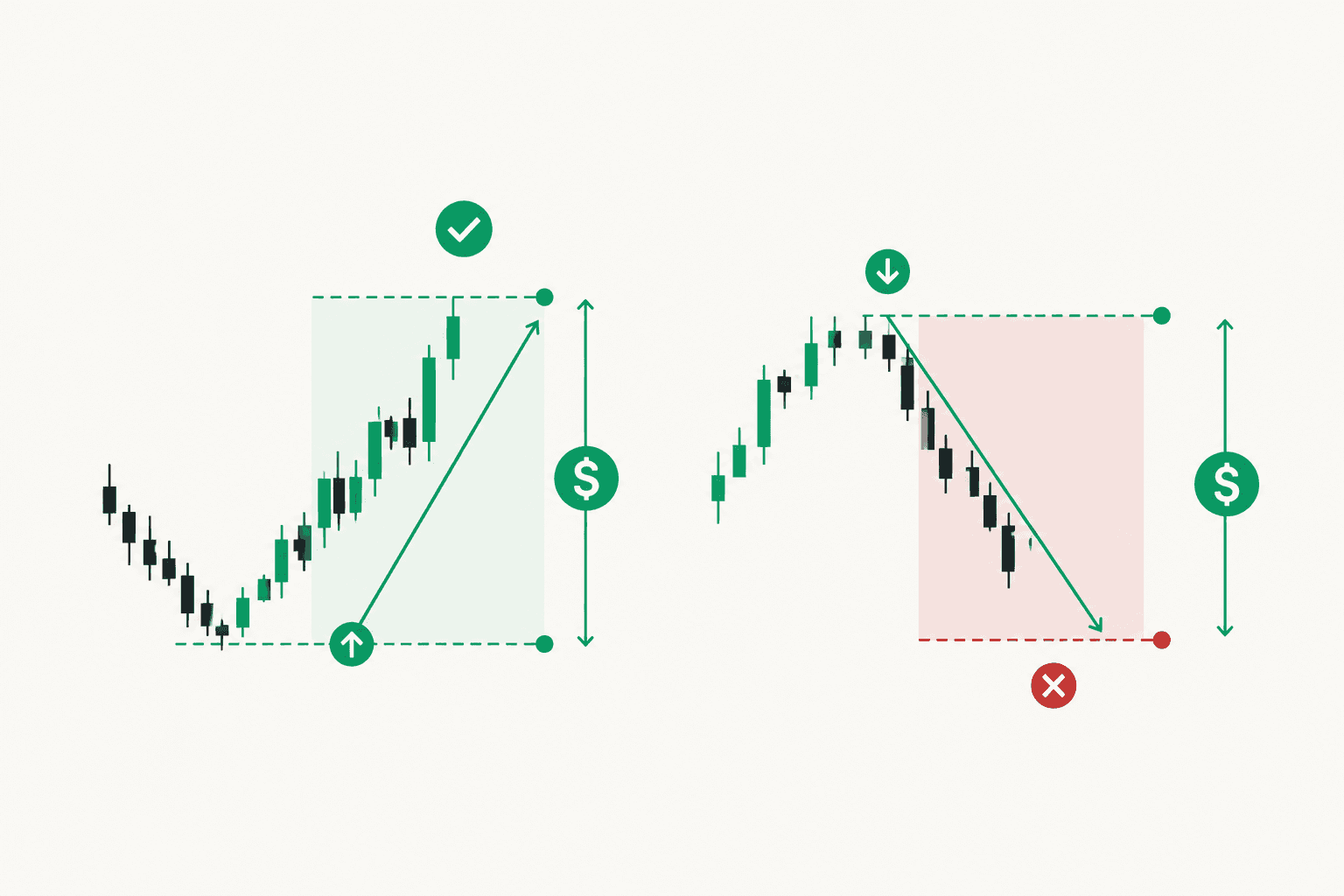
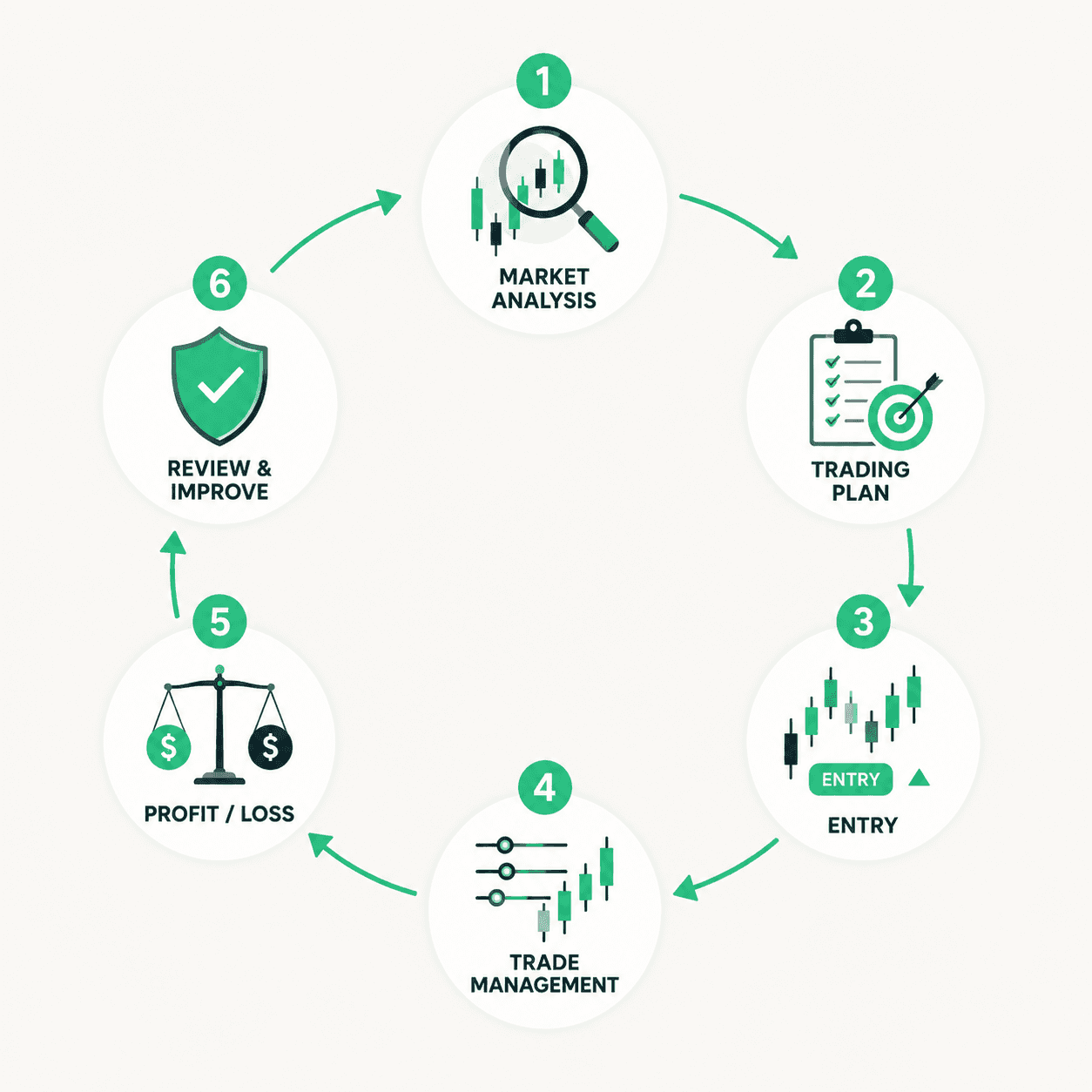
However, successful trading is not about guessing. Professional traders rely on analysis, risk management and discipline. Before entering a trade, they determine where to enter, where to exit, and how much money they are willing to risk.
This is exactly why many beginners lose money when they start trading. They focus only on making profits and ignore risk management. Learning how the market works is important, but learning how to protect your capital is what allows you to stay in the game long enough to become consistently profitable.
At SUGIRAForex Academy, students learn how to analyze markets, identify high-probability trading opportunities and manage risk professionally before placing real-money trades.
Ready To Trade With Confidence?
Understanding how trading works is only the first step. The real challenge is learning how to analyze the market, identify high-probability setups and manage risk like a professional trader.
If you're serious about becoming consistently profitable, SUGIRAForex Academy provides a structured learning path designed to help beginners understand the markets and build confidence before trading real money.
Explore Beginner Courses↗How to start trading in Rwanda
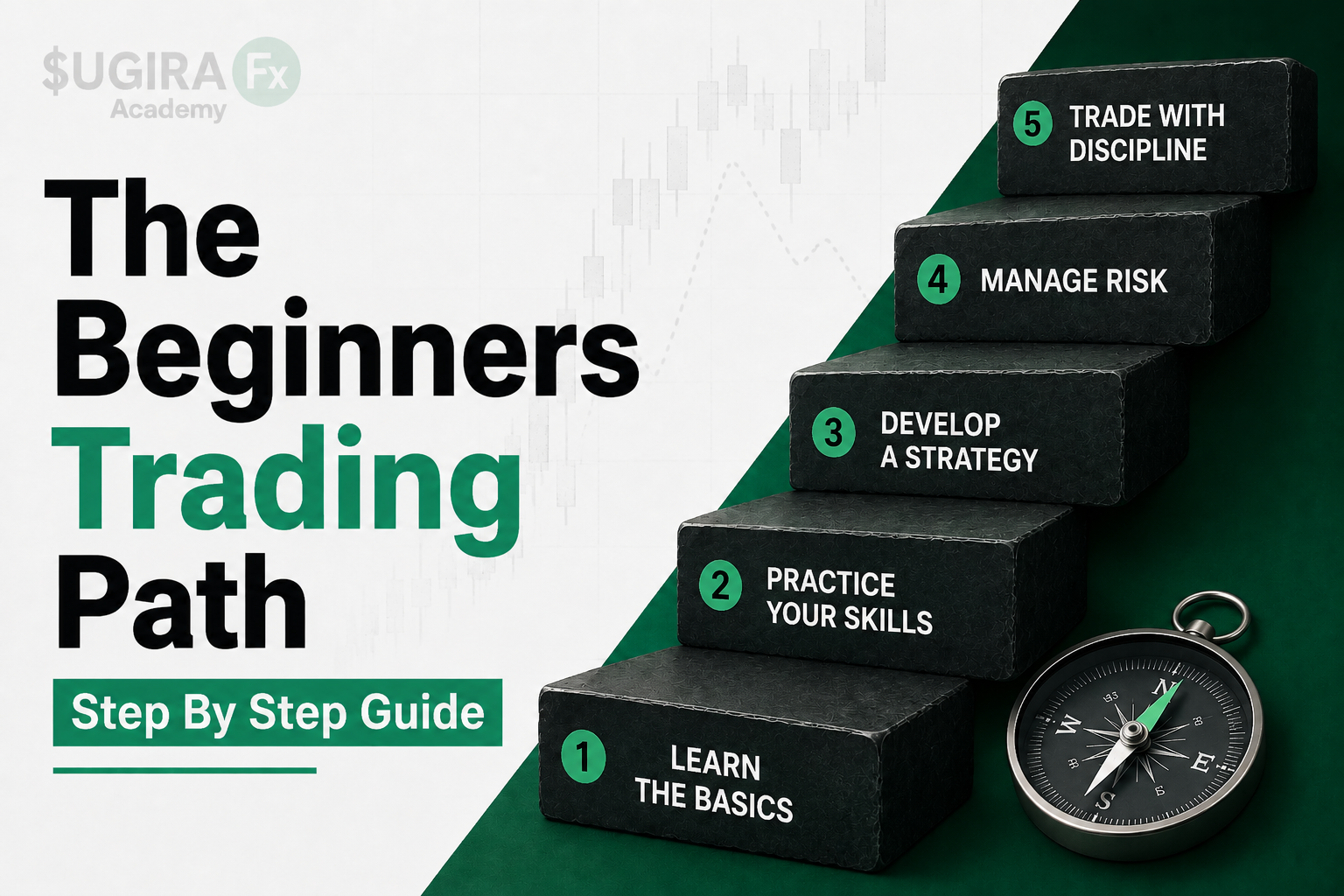
One of the biggest misconceptions about Forex trading is that you need a large amount of money to get started. In reality, successful trading begins with education, practice and discipline — not capital.
Before opening your first trade, you should first understand how financial markets work, how prices move and how professional traders make decisions. Jumping straight into live trading without knowledge is one of the fastest ways to lose money.
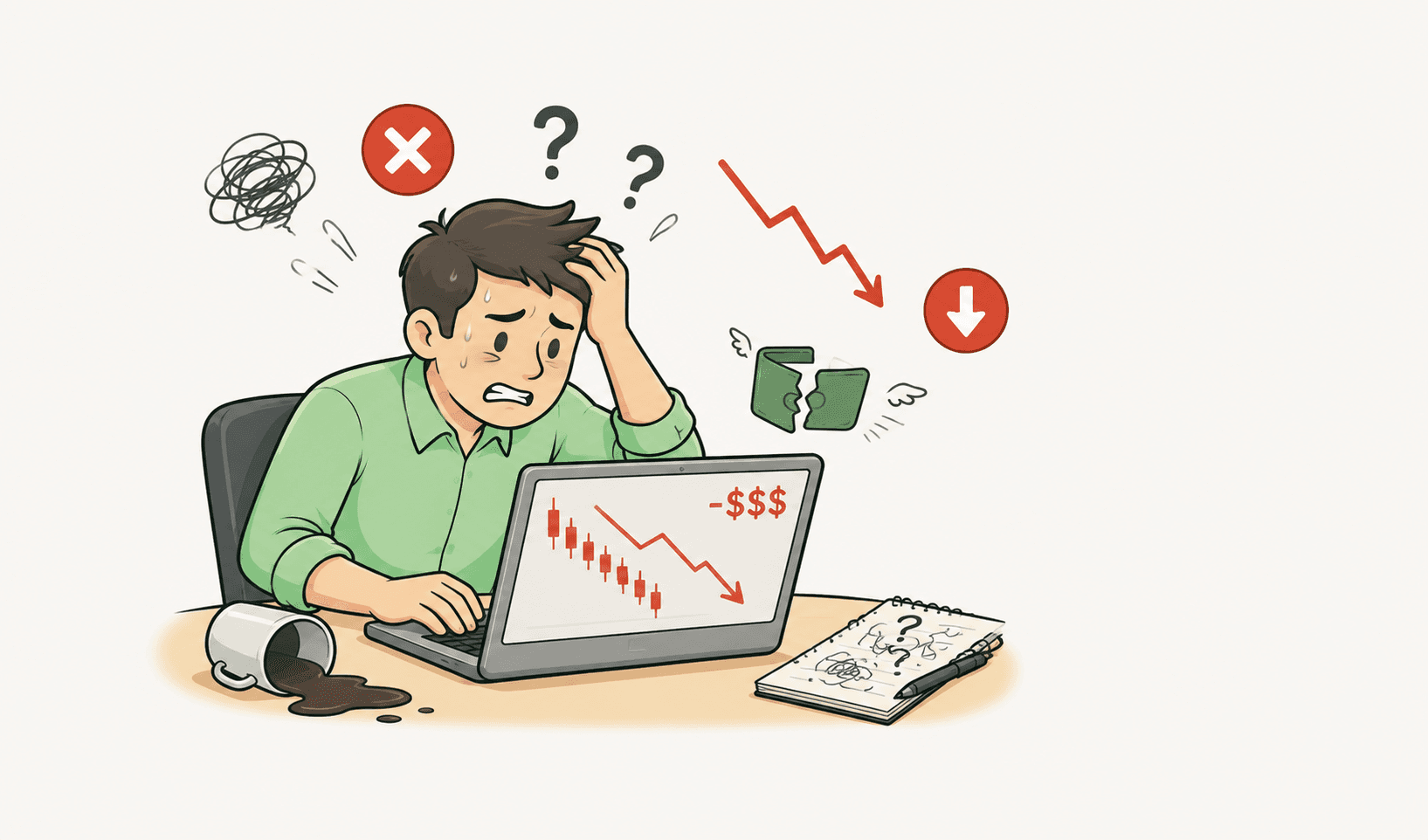
Don't be like this guy,The first step is learning the basics of trading. This includes understanding market structure, support and resistance, risk management, trading psychology and how to read price charts. These skills form the foundation that every profitable trader relies on.
Once you have learned the fundamentals, the next step is opening a demo account. A demo account allows you to practice trading using virtual money while experiencing real market conditions. This helps you gain confidence without risking your own funds.
During this stage, your goal should not be making profits. Instead, focus on building consistency. Learn how to follow a trading plan, manage risk and record your trades in a trading journal. The habits you develop here will determine your success later.
After becoming consistently profitable on a demo account, you can gradually move to a live account using money you can comfortably afford to risk. Professional traders never risk funds they cannot afford to lose.
Many successful traders in Rwanda begin their journey by learning from experienced mentors rather than trying to figure everything out alone. Having a structured learning path can save months or even years of costly mistakes.
Thats where SUGIRAForex Academy, we guide students through every stage of the trading journey,from understanding the basics to analyzing live markets, managing risk and developing a professional trading strategy.
Remember, trading is not a get-rich-quick scheme. It is a skill that requires patience, education and continuous improvement. The traders who focus on learning first are usually the ones who succeed in the long run.
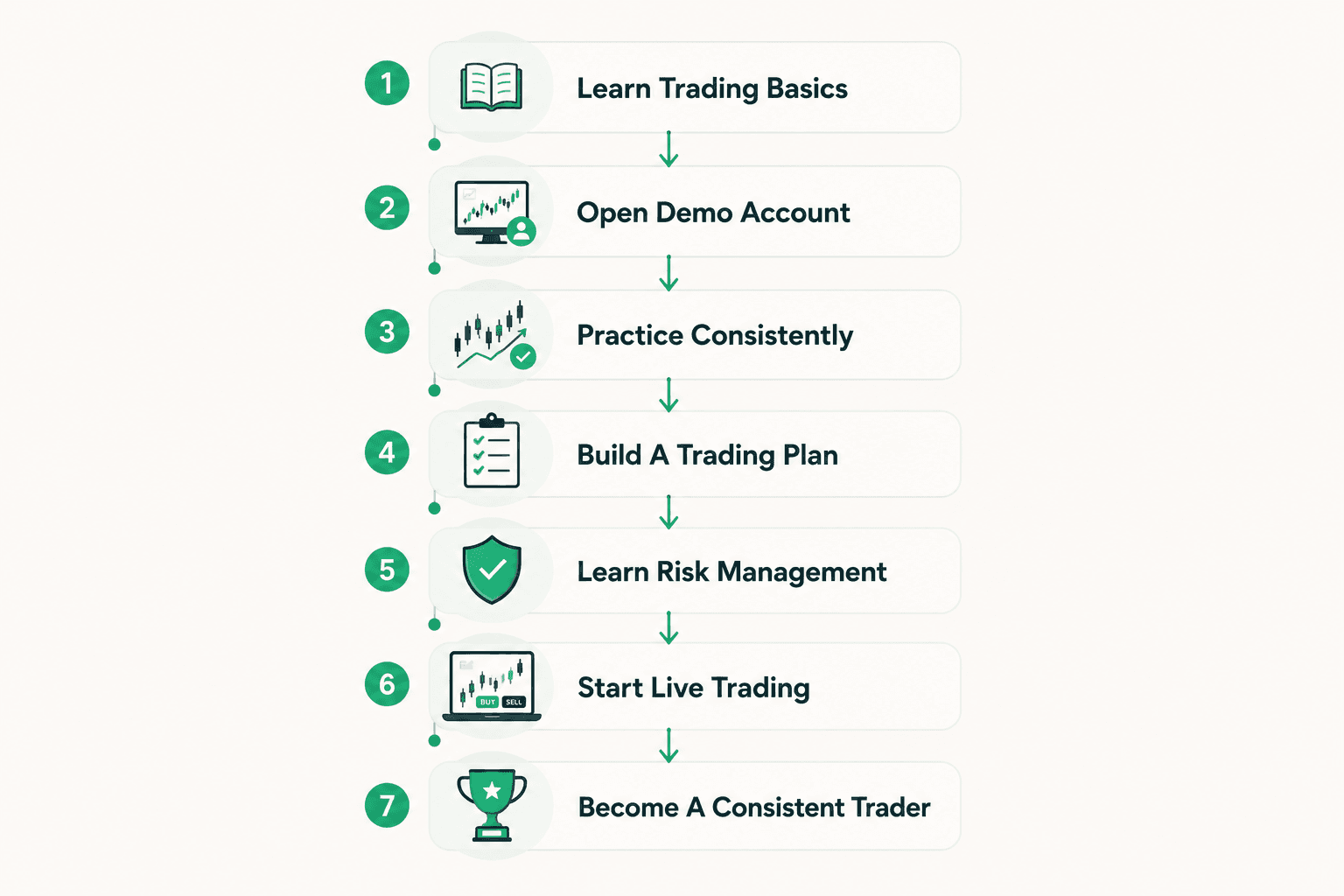
Ready to go through these steps ?
Join SUGIRAForex Academy and learn through structured lessons, practical examples and live market guidance designed to help aspiring traders build confidence and develop professional trading skills.
Explore Beginner Courses↗Trading examples
Learning trading theory is important, but real understanding comes from seeing how trading opportunities appear in live market conditions.
Below are examples of real Forex trades. These examples demonstrate how traders combine market direction, patience, risk management and execution to identify opportunities in the market.
Notice that profitable traders do not randomly enter the market. Every trade begins with analysis, a trading plan and a clearly defined risk. This process is what separates professional traders from gamblers.
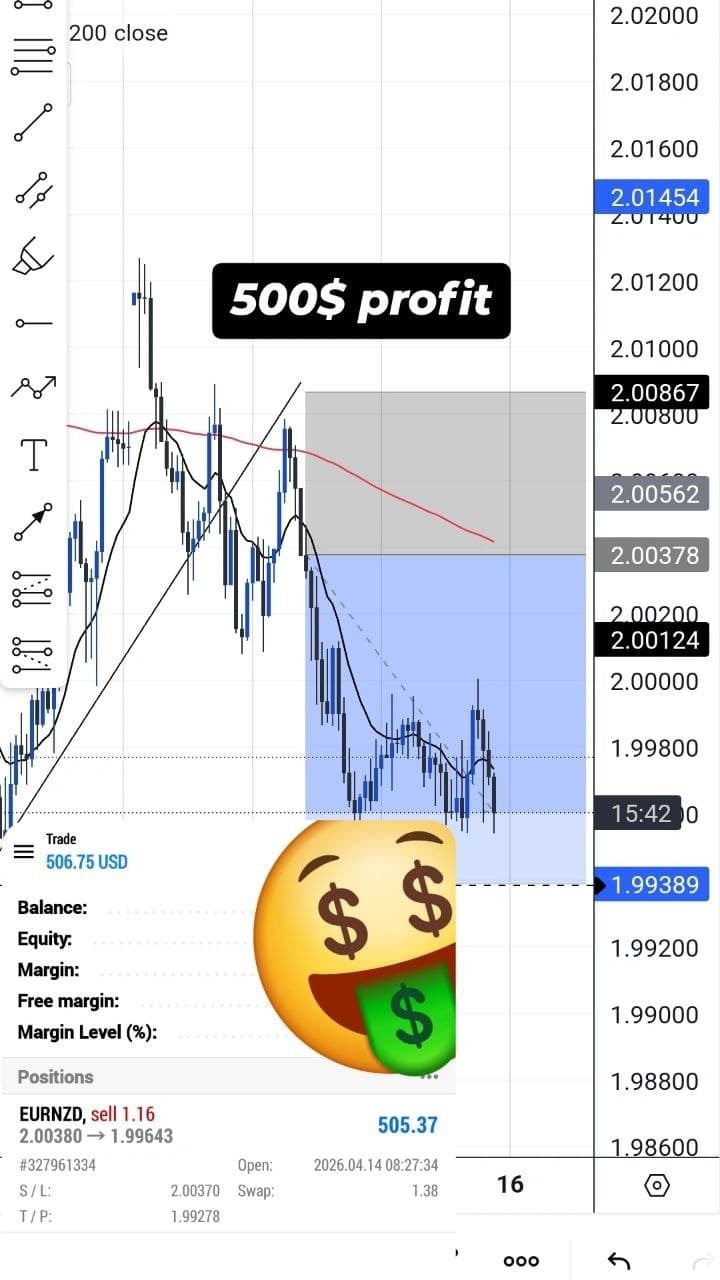
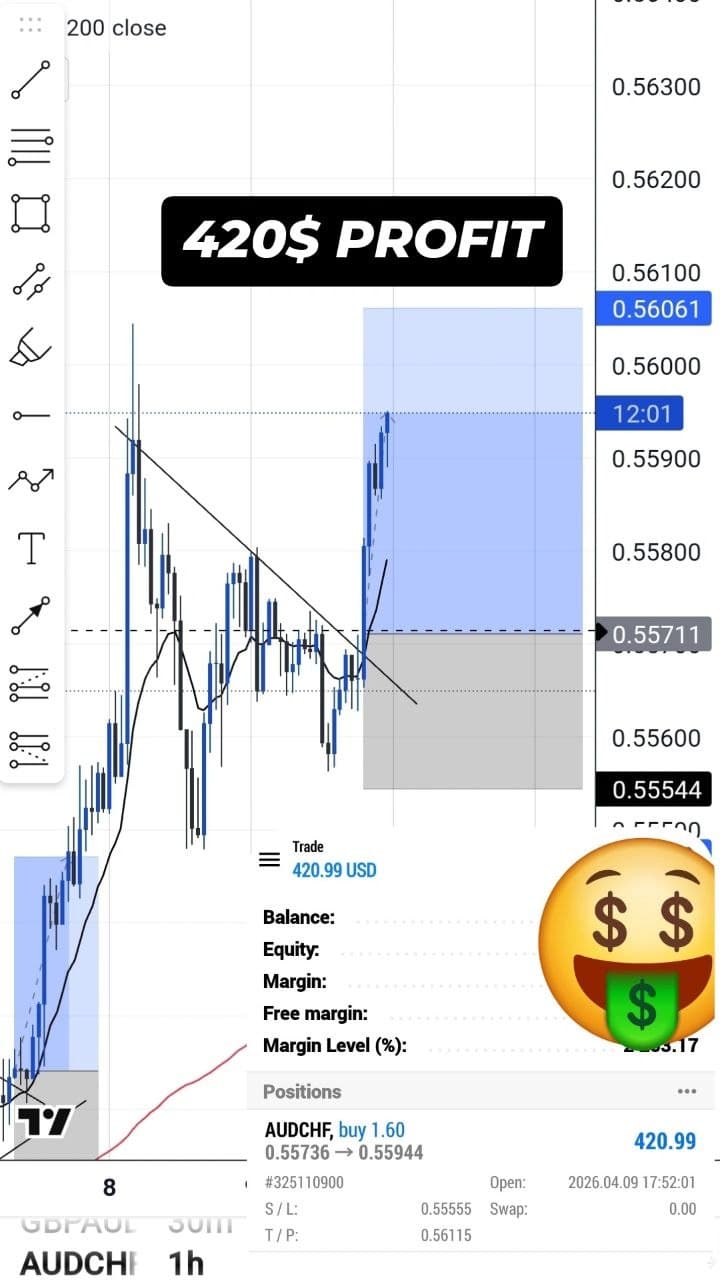
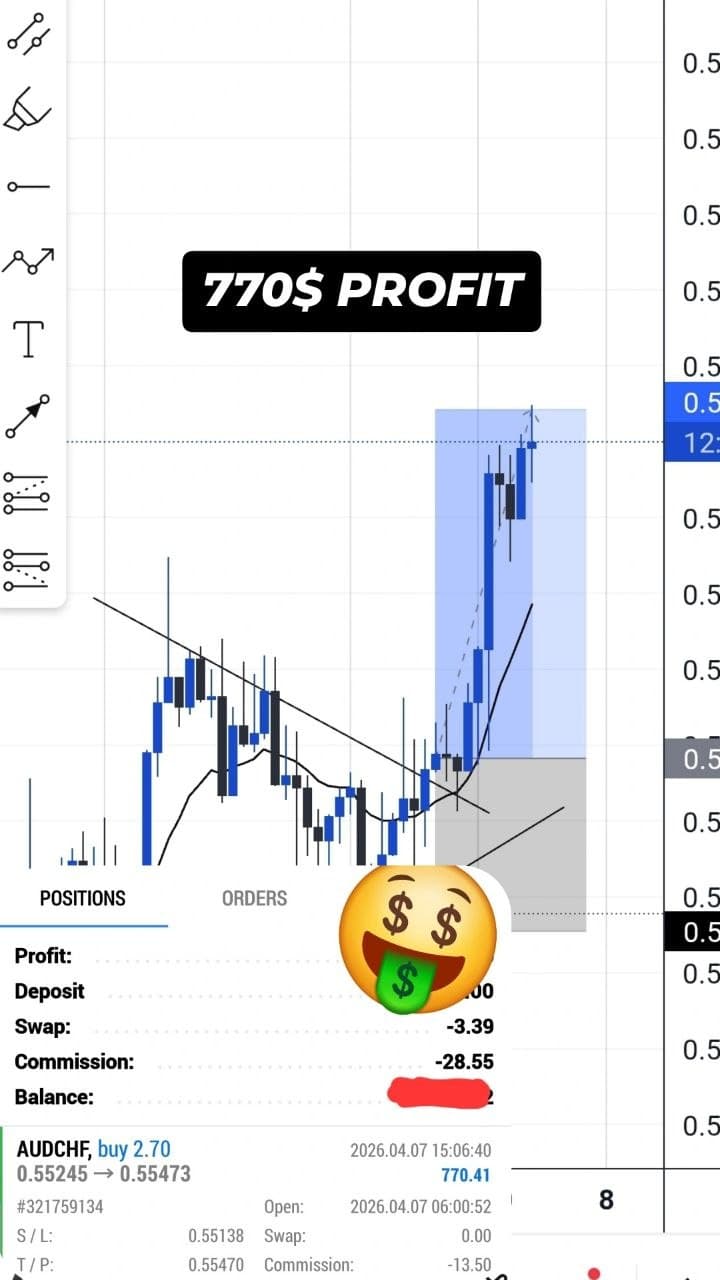
Each trade above was taken using principles such as market structure, trend analysis, risk management and trade management. While every trade outcome is different, the process behind successful trading remains the same.
Most beginners focus only on profits. Professional traders focus on consistency. Once you understand how to manage risk and follow a proven strategy, profitable trades become a by-product of a disciplined process.
At SUGIRAForex Academy, students learn how to identify high-probability setups, analyze live markets, manage trades professionally and build the confidence needed to trade independently.
Ready to become a professional trader ?
Move beyond theory and start understanding how professional traders analyse markets, manage risk and execute trades through our structured lessons, practical examples and live market sessions.
Start now↗